
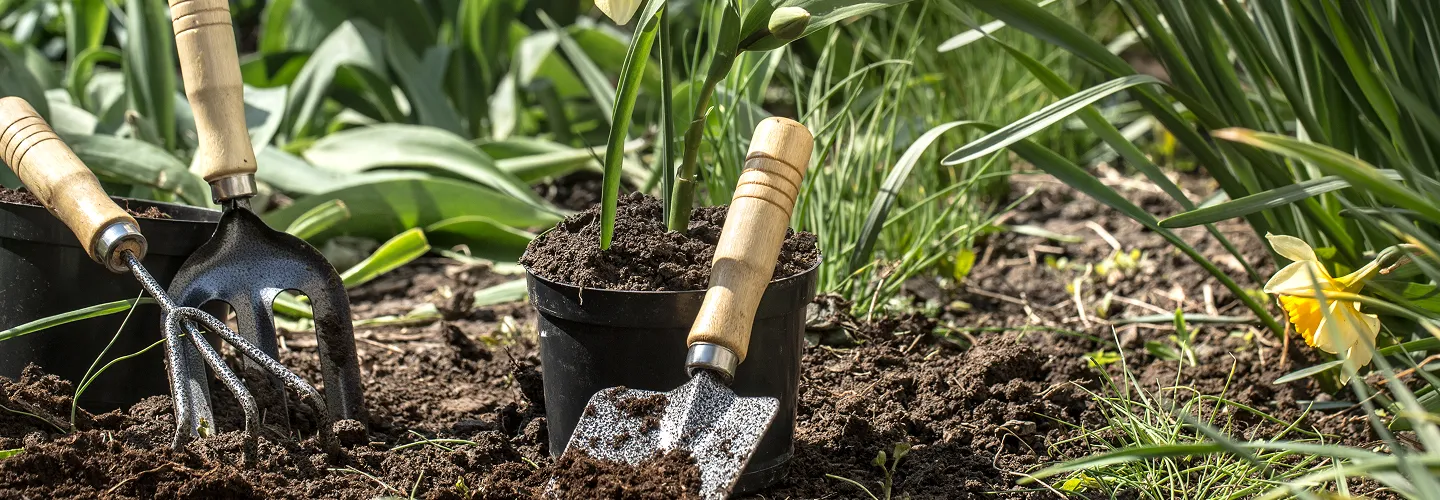
LaGrange Flower Planting Services
Choose our flower planting services for vibrant, healthy blooms that enhance your home's curb appeal and create a welcoming outdoor space you'll love all season long.
Get a Free QuoteOur LaGrange Landscaping & Yard Care Services
When to Schedule Flower Planting in LaGrange, Georgia – Seasonal Guide
Flower planting in LaGrange, Georgia, is best scheduled with careful attention to our region’s unique climate and landscape. The optimal planting windows are typically early spring, after the last frost date in late March, and early fall, when soil temperatures remain warm but the risk of extreme heat has diminished. Neighborhoods near West Point Lake and the historic Hillside district often experience slightly different microclimates, so it’s important to consider your specific location. LaGrange’s humid subtropical climate means summer droughts can stress new plantings, while heavy spring rains may require well-draining soil, especially in shaded yards beneath mature oaks or pines.
Local environmental factors such as soil composition—ranging from sandy loam in the Country Club area to heavier clay near Lafayette Parkway—play a significant role in flower selection and timing. Monitoring local frost dates and understanding municipal guidelines, which can be found on the city’s official website, ensures compliance and optimal results. Whether you’re planting in the sun-drenched lawns of Callaway Gardens or the shaded lots of Piney Woods, timing your flower installation to match LaGrange’s seasonal rhythms will help your landscape thrive.
Local Factors to Consider for Flower Planting in LaGrange
- Proximity to mature trees and resulting shade coverage
- Soil type (sandy loam vs. clay)
- Average precipitation and risk of summer drought
- Frost dates and seasonal temperature swings
- Terrain and drainage patterns
- Municipal restrictions or neighborhood association guidelines
Benefits of Flower Planting in LaGrange
Enhanced Curb Appeal
Seasonal Color Variety
Expert Plant Selection
Professional Garden Design
Low Maintenance Solutions
Increased Property Value

LaGrange Flower Planting Types

Annual Flower Beds
Seasonal color displays using vibrant annuals for maximum impact.
-
Perennial Gardens
Long-lasting blooms that return year after year for enduring beauty.
-
Native Plant Installations
Eco-friendly landscapes featuring flowers adapted to the local climate.
-
Pollinator Gardens
Flower beds designed to attract bees, butterflies, and other pollinators.
-
Shade Garden Plantings
Flower selections ideal for low-light or shaded areas of your landscape.
-
Container Flower Arrangements
Versatile flower displays in pots and planters for patios and entryways.
-
Cut Flower Gardens
Specialized beds for growing flowers perfect for indoor arrangements.
Our Flower Planting Process
Site Evaluation
Soil Preparation
Flower Selection
Planting
Watering and Mulching
Why Choose LaGrange Landscape Services
-
LaGrange Homeowners Trust Us
-
Expert Lawn Maintenance
-
Reliable Scheduling
-
Competitive Pricing
-
Professional Team
-
Satisfaction Guarantee
-
Personalized Service
LaGrange's Piedmont Clay Soils and Bed Preparation for Successful Flower Planting
LaGrange sits within the western Piedmont region of Georgia, classified in USDA Hardiness Zone 8a, where soils are predominantly Cecil and Madison series—well-drained but heavy red clay Ultisols with a naturally acidic pH typically ranging from 4.8 to 5.8. These conditions directly affect flower planting success. Before installing annuals or perennials, property owners should address the following soil preparation steps:
- Soil testing: Submit samples to the UGA Cooperative Extension Troup County office for pH and nutrient analysis before amending beds.
- Organic matter incorporation: Work 3–4 inches of composted material into the top 8–10 inches of clay to improve drainage and root penetration.
- Lime application: Apply pelletized lime at rates recommended by soil test results, typically 30–50 pounds per 1,000 square feet for acidic Piedmont clay.
- Drainage assessment: Evaluate low spots where clay compaction causes standing water, which leads to root rot in most flowering species.
Proper bed preparation in LaGrange's clay soils is the single most important factor in establishing healthy flower plantings that persist through the city's hot, humid summers and occasional winter freezes.
Optimal Flower Planting Windows for LaGrange's Extended Growing Season
LaGrange's climate, monitored by the National Weather Service Peachtree City office, features a long growing season averaging approximately 220 frost-free days. The city's last average spring frost falls near mid-March, and the first fall frost typically arrives in early to mid-November. These benchmarks establish two primary planting windows:
- Spring annuals (petunias, zinnias, marigolds, pentas): Install after the last frost date, generally late March through mid-April, once soil temperatures reach 60°F at a 4-inch depth.
- Fall annuals (pansies, violas, ornamental kale, snapdragons): Plant from mid-October through mid-November to allow root establishment before hard freezes.
- Perennials (coneflowers, black-eyed Susans, daylilies, lantana): Best planted in early spring (March–April) or early fall (September–October) when temperatures moderate and rainfall increases.
- Spring-flowering bulbs (daffodils, tulips, hyacinths): Install in November through December after soil temperatures drop below 60°F.
LaGrange's summer heat index frequently exceeds 100°F from June through August, making mid-summer planting inadvisable unless supplemental irrigation is guaranteed. Residents should plan installations around these seasonal windows to reduce transplant stress and water demand.
Protecting LaGrange's Stormwater Infrastructure During Flower Bed Installation
Flower bed construction and soil amendment work can generate loose sediment, displaced mulch, and fertilizer runoff that threatens LaGrange's municipal stormwater system. The city's storm drains discharge into local waterways including Whitesville Creek, Long Cane Creek, and ultimately West Point Lake, all of which fall under protections administered by the Georgia EPD Watershed Protection Branch and federal Clean Water Act standards enforced by EPA Region 4. Property owners and contractors should observe the following precautions:
- Sediment barriers: Place silt fencing or straw wattles downslope of bed construction areas, especially on properties adjacent to drainage ditches or storm inlets.
- Fertilizer containment: Apply granular fertilizers only within bed borders; sweep any material from sidewalks, driveways, and curb lines immediately to prevent wash-off.
- Mulch management: Limit mulch depth to 2–3 inches and avoid piling mulch where stormwater flow could carry it into street gutters or catch basins.
- Soil stockpiling: Store amended soil and compost on pervious surfaces away from impervious drainage paths during bed construction.
For questions about stormwater compliance on properties near drainage corridors, residents may contact LaGrange's engineering and mapping division for site-specific guidance.
LaGrange GIS, Mapping and Engineering
200 Ridley Avenue, LaGrange, GA 30240
Phone: (706) 883-2065
Official Website: LaGrange GIS, Mapping and Engineering
How LaGrange Code Enforcement Standards Affect Front-Yard Flower Beds
LaGrange's Code Enforcement division maintains property appearance and zoning compliance standards that may affect flower planting projects, particularly in front-yard and right-of-way areas. Property owners planning visible flower bed installations should be aware of the following considerations:
- Vegetation height and maintenance: City code requires that landscaped areas remain maintained and free of overgrowth; neglected flower beds with dead or decayed plant material may trigger code compliance action.
- Right-of-way clearance: Flower beds installed near sidewalks, street corners, or utility easements must not obstruct pedestrian passage or impair sightline visibility for vehicular traffic.
- Setback awareness: Raised beds, edging materials, and decorative borders placed within utility easements may need to be removed for infrastructure maintenance; verify easement locations through the city's GIS and engineering resources before permanent installation.
- Debris and waste: Soil bags, plant containers, and organic waste generated during planting must be properly disposed of and not left curbside outside of scheduled collection periods.
Residents with questions about property maintenance standards or frontage requirements should contact LaGrange Code Enforcement directly.
LaGrange Code Enforcement
200 Ridley Avenue, LaGrange, GA 30240
Phone: (706) 883-2060
Official Website: LaGrange Code Enforcement
Selecting Heat-Tolerant and Deer-Resistant Flower Species for LaGrange Landscapes
LaGrange's western Piedmont location presents specific challenges for flower selection, including sustained summer temperatures above 90°F, high humidity promoting fungal pressure, and browsing pressure from white-tailed deer in neighborhoods bordering wooded corridors and greenways. The UGA Cooperative Extension recommends the following species categories suited to these conditions:
- Heat- and humidity-tolerant annuals: Lantana, pentas, angelonia, vinca (Catharanthus roseus), and SunPatiens perform reliably through LaGrange's June–September heat.
- Deer-resistant perennials: Salvia, Russian sage, lavender, yarrow, and bee balm are generally avoided by deer and thrive in Zone 8a.
- Native options: Georgia native species such as coreopsis (Georgia's state wildflower), purple coneflower (Echinacea purpurea), and butterfly weed (Asclepias tuberosa) support pollinators and tolerate local clay soils with minimal amendment.
- Shade-tolerant selections: For properties beneath mature hardwood canopy, impatiens (in sheltered locations), begonias, hostas, and heuchera provide color in low-light conditions.
Residents should avoid invasive ornamental species identified by UGA Extension's invasive species program, including Chinese privet and Japanese honeysuckle, which can escape garden beds and colonize adjacent natural areas.
What Neighborhoods Do We Serve Throughout LaGrange, GA?
- Hillside Historic District: One of LaGrange's oldest residential areas, featuring mature hardwood canopy, established foundation beds, and compacted clay soils that require careful amendment before replanting; historic character may influence bed design and plant selection along prominent streetscapes.
- Calumet Village: A neighborhood with moderate lot sizes and mixed sun exposure where heat-tolerant annuals and low-maintenance perennials perform well in the open, south-facing front yards common throughout the area.
- Whitesville Road Corridor: Properties along this corridor often border drainage ditches and low-lying areas near Whitesville Creek, requiring attention to runoff management and moisture-tolerant plant selection in beds adjacent to drainage features.
- Country Club Estates: Larger lots with established landscaping, mature pines, and partial shade conditions that favor shade-tolerant flowering species and require mulch management beneath canopy.
- Dunson Historic District: Similar to Hillside, this area features older homes with narrow setbacks and foundation beds close to sidewalks, where compact flowering plants and proper right-of-way clearance are important considerations.
- West LaGrange / Vernon Road Area: Newer development patterns with open lots, full sun exposure, and recently graded clay soils that benefit from thorough organic amendment before flower bed establishment.
- Lafayette Square / Downtown: Commercial and mixed-use frontage where container plantings and raised beds are common; coordination with LaGrange's Parks and Landscape division may be relevant for properties adjacent to public spaces.